I went to an excellent film recently called Derek vs Derek. It tells the story of two Devon farmers, diametrically opposed in their ways. Derek Gow is well-known for his wilding work, particularly for breeding native species and being at the forefront of reintroducing beavers to our waterways. His neighbour Derek Banbury is a dairy farmer, who likes everything neat and tidy; his wife is a warm-hearted peacemaker with a keen sense of humour. The film is funny, life-affirming, and demonstrates how there can be a place for both nature and food in our rural landscapes.
Derek Gow makes a persuasive case for making space for nature. In his argument against intensive agriculture he comments “when the gardens of Buckingham Palace are being used for growing radishes then we know we’ll have reached food scarcity.” He has a good point; in a society where as much as a third of our food goes to waste, we do need to have a systems rethink.
Which is where we can help. You don’t have to be a farmer to own land. Nature corridors can be made by gardens. Many of us have properties that back onto fields or lanes. We can have beautiful plots that support life. On BBC iPlayer the film My Garden of a Thousand Bees made by Martin Dohrn captures an extraordinary array of bees in his Bristol garden; an urban retreat surrounded by buildings.
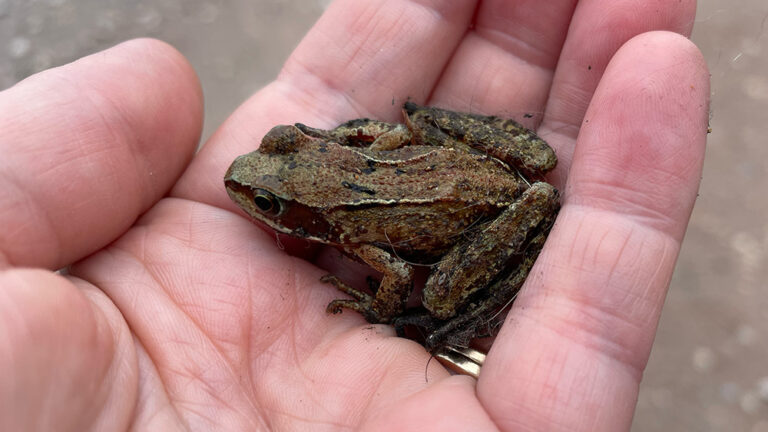
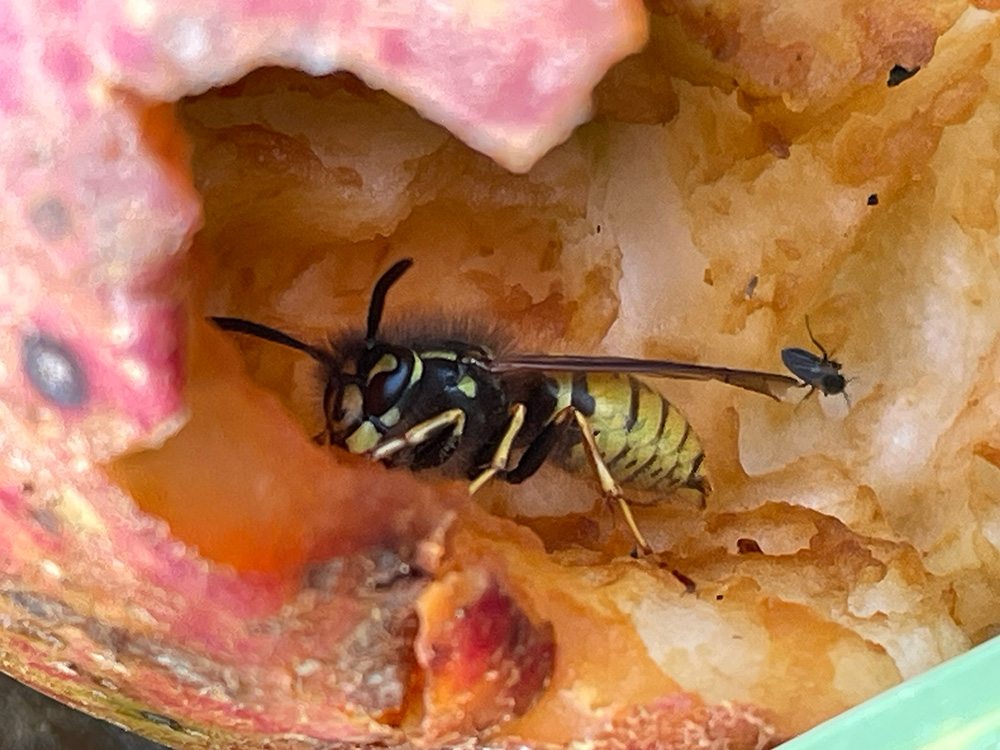
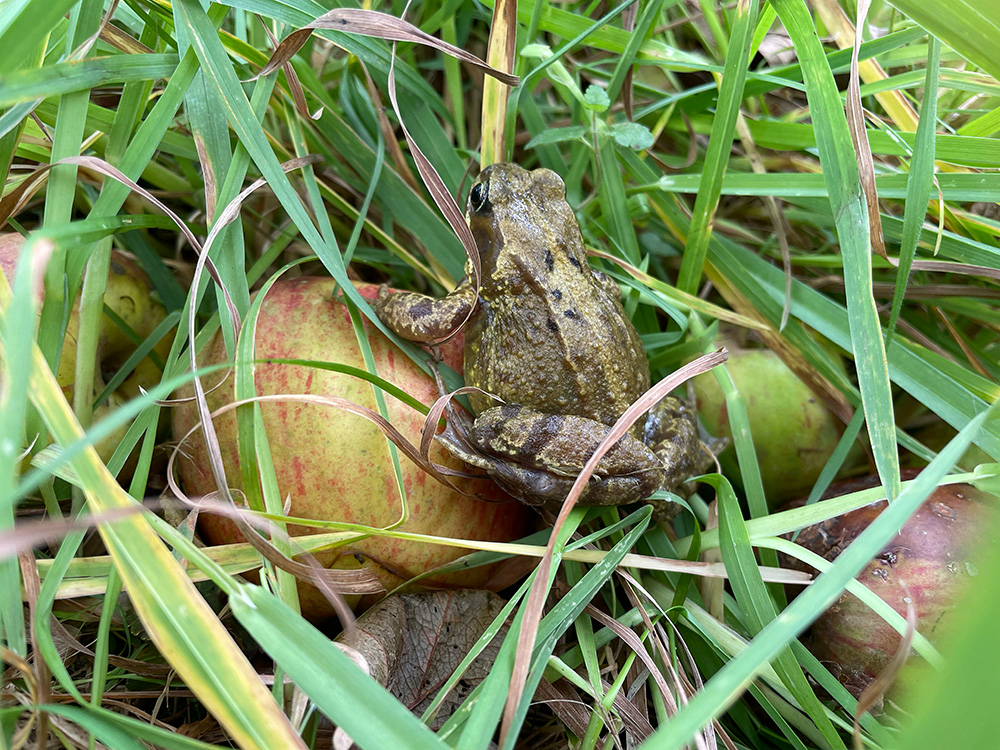
Help for wildlife is often most needed in winter. Leave stems long so insects have places to shelter. If you have fruit trees, let some fruit lie on the ground and be left on the tree. Grow a wildlife hedge and let it be bushy. Leave log piles for hedgehogs and small mammals. Plant early spring bulbs such as crocuses, hyacinths and snowdrops, so that bees emerging early from hibernation have sustenance, dig a small pond or leave a shallow tray of water out for birds and other creatures. Many of the best solutions involve doing nothing, which is the sort of gardening I quite like, as it leaves time to watch and wonder. Most of us know the grim statistic that the UK is one of the most nature-depleted countries in the world. Together, let’s turn that around.
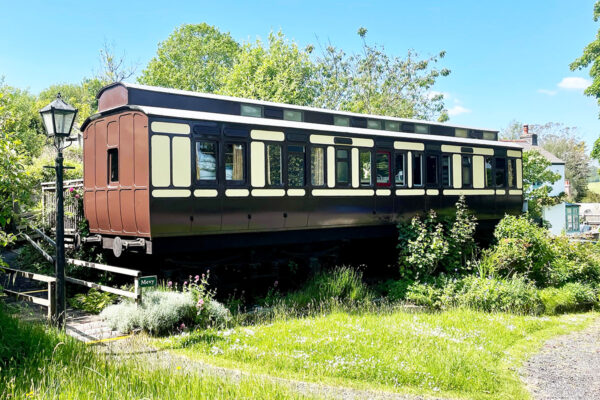
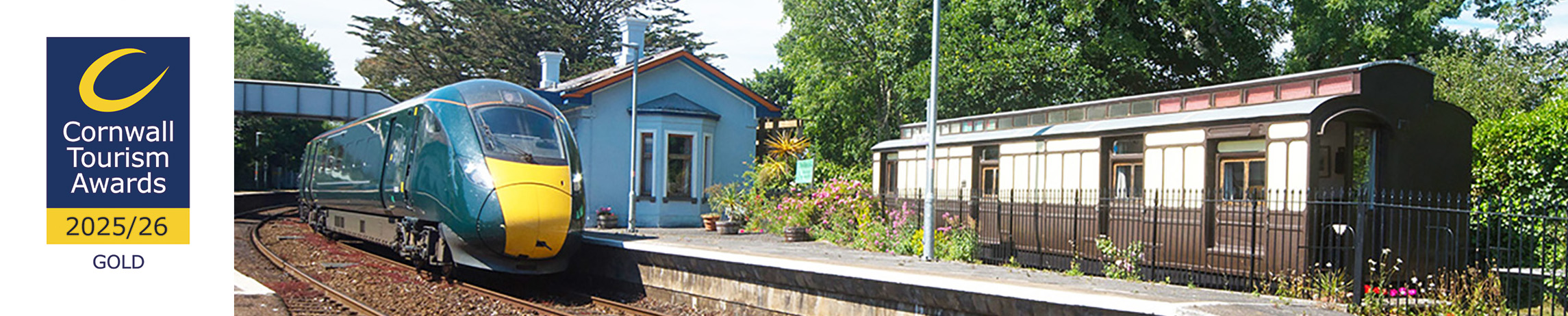
This article was written by me, Lizzy, for our local parish newsletter The Nut Tree. Please feel free to reuse it if you would like to. It was also written for this blog, which is supported by our business Railholiday, which lets restored railway carriages for holiday accommodation beside the Cornish mail line.
If you would like to receive occasional newsletters and details of special deals, please sign up here to receive our emails.
To view our website before booking a stay in one of our unique holiday carriages, please visit www.railholiday.co.uk where you will see the full range of holiday accommodation on offer.
We can contacted by phone on 01503 230783 or Lizzy’s mobile on 07776 261192. You can also follow this link to our booking page.